The Role of Industrial Pumps in Large-Scale Manufacturing and Production
2025-03-15
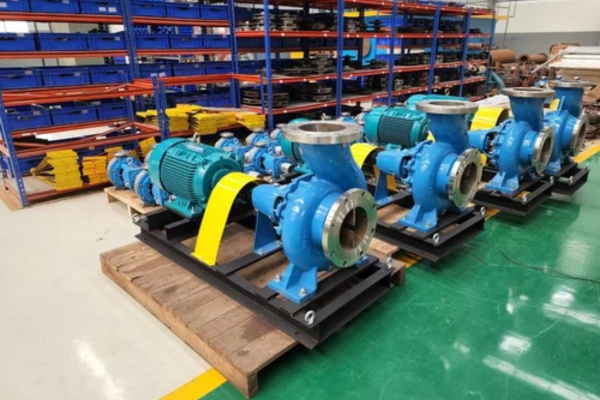
Industrial pumps are the backbone of large-scale manufacturing and production, playing a crucial role in maintaining efficiency, consistency, and reliability across various industrial processes. From moving liquids and gases to managing pressure and temperature, industrial pumps ensure that production lines run smoothly without interruptions. In this comprehensive guide, we’ll explore the importance of industrial pumps, their applications, and how trusted names like Calama Pumps provide innovative solutions for the manufacturing sector.
Why Industrial Pumps Are Essential in Manufacturing
In large-scale manufacturing, industrial pumps facilitate the seamless transfer of fluids and gases, ensuring that each process stage operates at peak efficiency. Here’s why they are indispensable:
- Efficient Fluid Movement: Pumps enable the quick and controlled movement of water, chemicals, and oils throughout production systems.
- Maintaining Pressure: They regulate pressure levels to ensure consistent quality and prevent equipment damage.
- Temperature Control: Industrial pumps help manage heating and cooling processes essential for specific manufacturing applications.
- Reducing Downtime: High-quality pumps minimize the risk of breakdowns, ensuring continuous operations.
- Enhancing Productivity: By automating fluid management, pumps allow for faster and more efficient production cycles.
Types of Industrial Pumps Used in Manufacturing
Different manufacturing processes require specialized pumps to handle varying pressures, fluid types, and operational conditions. Let’s look at the most common types:
1. Centrifugal Pumps
Centrifugal pumps are widely used for their ability to handle large fluid volumes efficiently. They use rotational energy to move liquids through piping systems, making them ideal for water treatment, chemical transfer, and cooling systems.
Applications:
- Water supply systems
- Chemical processing
- HVAC cooling and heating systems
2. High-Pressure Pumps
High-pressure pumps deliver fluids at significant pressure levels, making them essential for processes requiring forceful fluid movement and precision.
Applications:
- Hydraulic systems
- Industrial cleaning
- Boiler feed operations
- Openwell Submersible Pumps
Openwell submersible pumps are designed for use in open water sources like wells, tanks, and reservoirs. They offer efficient water transfer with minimal maintenance.
Applications:
- Irrigation
- Domestic water supply
- Industrial water transfer
- Borewell Submersible Pumps
Borewell submersible pumps are used in deep wells to extract groundwater efficiently. They operate fully submerged, ensuring reliable performance in varying water levels.
Applications:
- Agricultural irrigation
- Drinking water supply
- Municipal and industrial water distribution
Key Factors in Selecting Industrial Pumps
Choosing the right industrial pump requires evaluating several critical factors to ensure optimal performance and cost-efficiency.
1. Flow Rate and Pressure Requirements
Assessing your system’s flow rate and pressure needs helps select a pump capable of handling the workload without strain.
2. Fluid Characteristics
The pump’s material and design must align with the fluid’s viscosity, temperature, and chemical composition to prevent wear and damage.
3. Energy Efficiency
Opting for energy-efficient models reduces operational costs and aligns with sustainability goals.
4. Maintenance and Durability
Selecting pumps with durable construction and minimal maintenance requirements ensures long-term reliability and reduced downtime.
The Role of Trusted Suppliers in Manufacturing Success
Reliable industrial pump suppliers play a vital role in providing high-quality equipment and exceptional support. Companies like Calama Pumps stand out by offering innovative, durable, and efficient pumping solutions tailored to various manufacturing needs.
Why Choose Calama Pumps?
- Proven Expertise: With years of industry experience, Calama Pumps delivers top-notch industrial solutions.
- Comprehensive Product Range: From centrifugal to high-pressure pumps, they offer models suited for diverse applications.
- Quality Assurance: Every pump undergoes rigorous testing to meet international quality standards.
- Exceptional Support: Calama Pumps provides expert consultation, installation guidance, and after-sales service.
Enhancing Efficiency with Industrial Pumps
Efficient pump systems contribute significantly to overall manufacturing performance by reducing energy consumption, minimizing waste, and optimizing production speed.
Benefits:
- Lower operational costs through energy savings
- Improved product quality via consistent fluid management
- Enhanced safety by preventing leaks and pressure surges
Frequently Asked Questions (FAQs)
What is the most commonly used industrial pump in manufacturing?
Centrifugal pumps are the most widely used due to their efficiency in handling large fluid volumes.
How do high-pressure pumps benefit manufacturing?
They provide precise fluid delivery under high pressure, essential for cleaning, cooling, and hydraulic systems.
Why is supplier reliability important in pump selection?
A trusted supplier like Calama Pumps ensures product quality, technical support, and long-term performance.
How can I choose the right pump for my needs?
Evaluate flow rate, pressure requirements, fluid characteristics, and maintenance needs to find the best fit.
What maintenance practices extend pump lifespan?
Regular inspections, proper lubrication, and timely part replacements help maintain optimal performance.
Industrial pumps are indispensable in large-scale manufacturing and production, ensuring efficiency, quality, and reliability. With a trusted supplier like Calama Pumps, businesses gain access to high-performance solutions tailored to their specific needs, driving operational excellence and long-term success.
Search
Recent Post
-
10 essential questions to ask your industrial pump supplier before making a purchase
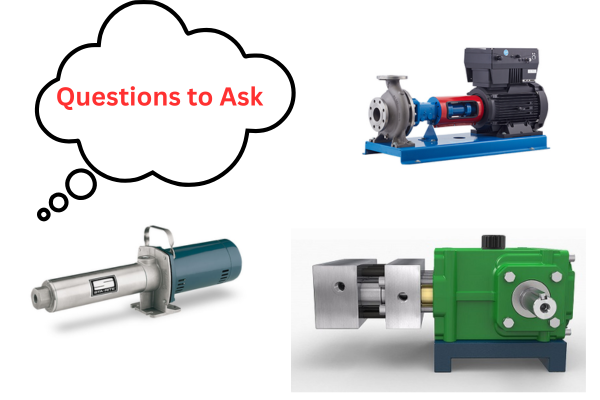
Choosing the right industrial pump supplier is crucial for ensuring the efficiency, durability, and performance of your operations. Before committing to a purchase, asking the right questions can help you avoid costly mistakes and ensure you’re getting the best product and service.
In this guide, we’ll cover the most important questions to ask and why trusted suppliers like Calama Pumps often lead the industry in quality and reliability.
1. What Type of Pump Best Suits My Application?
Different industrial processes require different types of pumps—centrifugal, diaphragm, positive displacement, and high-pressure pumps, among others. Understanding your specific needs helps the supplier recommend the right pump for optimal efficiency and performance.
2. What Are the Fluid Characteristics?
The properties of the fluid being pumped, like viscosity, temperature, pH level, and presence of solids, directly impact the pump’s design and material selection. Suppliers like Calama Pumps prioritize understanding these factors to suggest the most durable and efficient solutions.
3. What Flow Rate and Pressure Do I Need?
Knowing the required flow rate and pressure ensures the pump will handle your operational demands without strain or inefficiency. A reputable supplier will help calculate these parameters accurately.
4. What Are the Environmental Conditions?
Factors like ambient temperature, altitude, humidity, and exposure to corrosive substances influence the pump’s performance and lifespan. Discussing these conditions with your supplier ensures you get a pump designed for your specific environment.
5. What Are the Maintenance Requirements?
Ask about the pump’s maintenance needs, the availability of spare parts, and the supplier’s after-sales support. Reliable suppliers like Calama Pumps offer robust maintenance services, reducing downtime and ensuring long-term efficiency.
6. What Is the Total Cost of Ownership?
Beyond the initial purchase price, consider long-term costs like energy consumption, maintenance, and potential repairs. Investing in a high-quality pump often reduces overall expenses over time.
7. Is the Pump Compatible with My Existing Systems?
Ensure the new pump integrates seamlessly with your current infrastructure to avoid costly modifications and operational disruptions.
8. What Warranty and Guarantees Are Provided?
A solid warranty reflects the supplier’s confidence in their product’s quality. Calama Pumps, for example, offers comprehensive warranties, providing peace of mind and ensuring reliability.
9. Can the Pump Be Customized for My Needs?
Industrial applications often have unique requirements. Suppliers offering customization ensure the pump aligns perfectly with your specific operational demands.
10. What Is the Supplier’s Track Record and Reputation?
Research the supplier’s industry experience, customer reviews, and case studies. A proven track record often indicates consistent product quality and dependable service.
Final Thoughts
Asking these essential questions helps you make an informed decision when purchasing an industrial pump. Trusted suppliers like Calama Pumps stand out by offering high-quality products, excellent customer support, and tailored solutions for diverse industrial needs. Prioritize quality, efficiency, and long-term value when selecting your pump supplier, and you’ll ensure smooth and cost-effective operations.
Frequently Asked Questions (FAQs)
Why is it important to choose the right industrial pump supplier?
Selecting a reliable supplier ensures high-quality products, technical support, and long-term efficiency, minimizing operational disruptions and costs.
What makes Calama Pumps a trusted supplier?
Calama Pumps offers durable, efficient, and customizable solutions backed by exceptional customer service and industry expertise.
How can I determine the right pump type for my needs?
Discuss your operational requirements, fluid characteristics, and environmental conditions with your supplier to choose the most suitable pump.
What factors affect the total cost of ownership for an industrial pump?
Energy efficiency, maintenance needs, repair costs, and product lifespan all contribute to the long-term expenses associated with industrial pumps.
Can I get a customized pump solution?
Yes, many suppliers, including Calama Pumps, offer tailored solutions designed to meet specific industrial applications and performance requirements.
-
Why centrifugal pumps are the most popular choice for industrial applications

Centrifugal pumps are widely regarded as the most popular and efficient solution for industrial applications worldwide. Their simplicity, versatility, and cost-effectiveness make them the go-to choice for industries ranging from manufacturing to chemical processing.
In this comprehensive guide, we’ll explore why centrifugal pumps are so favored and why trusted suppliers like Calama Pumps often recommend them for various industrial needs.
Understanding Centrifugal Pumps
A centrifugal pump uses rotational energy, typically from an electric motor, to move fluid through a system. The pump’s impeller spins the liquid, creating centrifugal force that pushes the fluid outward and into the discharge pipe. This simple yet effective mechanism ensures consistent fluid movement with minimal effort.
Key Components of Centrifugal Pumps:
- Impeller: The rotating component that generates centrifugal force.
- Casing: Houses the impeller and directs the flow of fluid.
- Suction Pipe: Draws fluid into the pump.
- Discharge Pipe: Expels fluid from the pump into the system.
Advantages of Centrifugal Pumps in Industrial Applications
1. High Efficiency and Performance
Centrifugal pumps are known for their ability to handle large volumes of fluid at high speeds, making them ideal for industrial operations requiring quick and efficient fluid transfer.
Benefits:
- Consistent flow rates.
- High-speed operation.
- Minimal energy consumption.
2. Cost-Effectiveness
One of the primary reasons industries choose centrifugal pumps is their affordability. They have a relatively simple design, which translates to lower manufacturing and maintenance costs.
Cost Benefits:
- Lower initial purchase price.
- Reduced maintenance and repair expenses.
- Energy-efficient operation lowers utility costs.
3. Versatility Across Industries
Centrifugal pumps can handle various fluids, including water, chemicals, and slurries. Their adaptability makes them suitable for numerous industrial applications, from food processing to petrochemicals.
Common Applications:
- Water supply and treatment.
- Chemical manufacturing.
- Oil and gas refineries.
4. Ease of Installation and Maintenance
The straightforward design of centrifugal pumps simplifies both installation and maintenance. With fewer moving parts, the risk of mechanical failure is minimized.
Maintenance Advantages:
- Simple disassembly for cleaning and repairs.
- Availability of spare parts from suppliers like Calama Pumps.
- Lower downtime due to quick servicing.
Factors to Consider When Choosing a Centrifugal Pump
Selecting the right centrifugal pump for your industrial application requires careful evaluation of several factors. Understanding these considerations ensures you get the best performance and longevity from your equipment.
1. Flow Rate Requirements
The flow rate, measured in gallons per minute (GPM) or cubic meters per hour (m³/h), determines how much fluid the pump can move. Matching the pump’s capacity to your operational needs prevents underperformance or overexertion.
How to Assess:
- Calculate your system’s peak demand.
- Consider variations in fluid volume over time.
- Choose a pump with a flow rate slightly above your maximum requirement.
2. Pressure and Head
The pressure the pump needs to generate to move fluid through the system is crucial. Head refers to the height the pump can push the fluid, and it impacts the pump’s efficiency.
Factors to Evaluate:
- Total dynamic head (TDH) of your system.
- Friction losses in piping and fittings.
- Vertical lift and discharge distance.
3. Type of Fluid
The nature of the fluid being pumped affects the pump’s material and design. Viscous, corrosive, or abrasive fluids require specialized impellers and casings.
Fluid Considerations:
- Temperature and chemical composition.
- Viscosity and particle content.
- Compatibility with pump materials.
4. Pump Efficiency
Energy-efficient pumps lower operational costs and reduce environmental impact. Evaluating the pump’s efficiency curve helps determine its performance across various flow rates and pressures.
Efficiency Tips:
- Select pumps with high-efficiency ratings.
- Monitor performance metrics like power consumption.
- Partner with suppliers like Calama Pumps for energy-efficient options.
5. Durability and Construction
Industrial environments demand robust equipment. The pump’s construction material must withstand harsh conditions, including high temperatures and corrosive chemicals.
Material Choices:
- Stainless steel for chemical resistance.
- Cast iron for durability in heavy-duty applications.
- Specialized alloys for high-temperature operations.
6. Supplier Reputation and Support
Choosing a reputable supplier ensures you receive high-quality equipment and reliable after-sales service. Trusted names like Calama Pumps offer expert advice, genuine spare parts, and comprehensive support.
Why Supplier Matters:
- Access to certified and tested equipment.
- Technical support for installation and maintenance.
- Warranty and service agreements.
Why Calama Pumps Recommend Centrifugal Pumps
Calama Pumps has established itself as a leading provider of industrial pumping solutions, and centrifugal pumps remain one of their top recommendations. Their efficiency, cost-effectiveness, and versatility align perfectly with Calama Pumps’ commitment to quality and performance.
Reasons for Recommendation:
- Proven reliability in diverse industrial applications.
- Availability of customizable solutions.
- Strong after-sales support and maintenance services.
Frequently Asked Questions (FAQs)
Why are centrifugal pumps so popular in industrial use?
Their efficiency, affordability, and ability to handle various fluids make them a preferred choice for industrial applications.
What types of fluids can centrifugal pumps handle?
Centrifugal pumps can move water, chemicals, oils, and slurries, making them versatile across industries.
How do I choose the right centrifugal pump for my needs?
Assess flow rate, pressure requirements, fluid type, and system head to select a pump that meets your specifications.
Are centrifugal pumps energy-efficient?
Yes, their high efficiency reduces power consumption, lowering operational costs.
Why trust Calama Pumps for centrifugal pump solutions?
Calama Pumps offers high-quality, efficient centrifugal pumps with expert support and reliable service.
Centrifugal pumps continue to dominate industrial applications due to their efficiency, affordability, and adaptability. By partnering with reputable suppliers like Calama Pumps, businesses ensure they receive high-performance equipment tailored to their specific needs.
-
High pressure pumps: how they work and where they are used

High-pressure pumps play a crucial role in various industrial and commercial operations. From manufacturing plants to water treatment facilities, these pumps ensure fluid movement under high pressure, enabling efficient processes and system performance.
In this detailed guide, we’ll dive into the working mechanisms of high-pressure pumps, their key applications, and why trusted suppliers like Calama Pumps offer some of the best solutions available.
Understanding High-Pressure Pumps
A high-pressure pump is designed to move liquids at significantly increased pressures compared to standard pumps. These pumps convert mechanical energy into hydraulic energy, generating pressure that propels fluid through pipelines and systems at high velocities.
Key Components of High-Pressure Pumps
- Pump Head: The part where the fluid enters and exits.
- Piston or Plunger: Moves back and forth to create pressure.
- Seals and Valves: Ensure fluid direction and prevent leaks.
- Motor: Provides the mechanical energy required to drive the pump.
Working Mechanism
High-pressure pumps operate by displacing a specific volume of fluid through the pump’s head using a piston, plunger, or rotating component. As the motor powers the movement, it creates pressure that pushes the liquid through the discharge line.
Types of High-Pressure Pumps
1. Reciprocating Pumps
Reciprocating pumps use pistons or plungers to displace fluid in a back-and-forth motion. These pumps are known for their precision and ability to handle high-viscosity fluids.
Applications:
- Oil and gas industry
- Chemical processing
- High-pressure cleaning systems
2. Centrifugal High-Pressure Pumps
Centrifugal pumps use rotating impellers to generate pressure through centrifugal force. They are ideal for moving large volumes of fluid quickly and efficiently.
Applications:
- Water supply systems
- HVAC systems
- Irrigation
3. Diaphragm Pumps
Diaphragm pumps use flexible membranes to create pressure without direct contact between the liquid and moving parts. This makes them suitable for handling corrosive and abrasive fluids.
Applications:
- Chemical transfer
- Food and beverage industry
- Pharmaceutical manufacturing
Key Applications of High-Pressure Pumps
1. Water Treatment Plants
High-pressure pumps help move water through filtration and purification systems, ensuring clean and safe water supply.
2. Manufacturing and Production
Industries rely on these pumps for cooling, lubrication, and fluid transfer processes that require consistent pressure.
3. Oil and Gas Sector
From drilling operations to pipeline transportation, high-pressure pumps manage fluid movement under extreme conditions.
4. Power Generation
In power plants, these pumps maintain cooling systems and steam production, essential for efficient energy generation.
5. Cleaning and Maintenance
High-pressure washers use these pumps for industrial cleaning, ensuring thorough removal of dirt and contaminants.
Factors to Consider When Choosing a High-Pressure Pump
1. Pressure and Flow Rate Requirements
Assess your system’s pressure needs and fluid volume to select a pump with the right capacity.
2. Fluid Type
Consider the chemical composition, temperature, and viscosity of the fluid being pumped.
3. Material and Durability
Choose pumps made from corrosion-resistant materials for longevity and reliability.
4. Energy Efficiency
Opt for high-efficiency models to reduce operational costs and environmental impact.
5. Supplier Reputation
Trusted suppliers like Calama Pumps provide high-quality equipment and expert support.
Why Calama Pumps Are a Trusted Choice
Calama Pumps have established themselves as industry leaders in providing high-performance high-pressure pumps. Known for their reliability and efficiency, Calama Pumps cater to diverse industrial needs with customized solutions and exceptional after-sales support.
Frequently Asked Questions (FAQs)
What industries use high-pressure pumps the most?
Industries like water treatment, oil and gas, manufacturing, and power generation rely heavily on high-pressure pumps.
How do high-pressure pumps differ from standard pumps?
High-pressure pumps generate significantly higher pressure, making them suitable for demanding applications.
Are high-pressure pumps energy-efficient?
Yes, modern high-pressure pumps are designed for efficiency, reducing energy consumption and operational costs.
How do I maintain a high-pressure pump?
Regular maintenance, including seal checks, lubrication, and part replacements, ensures optimal performance.
Why choose Calama Pumps for high-pressure solutions?
Calama Pumps offer durable, efficient, and customizable high-pressure pump systems with excellent support services.
High-pressure pumps are indispensable in industrial applications requiring reliable fluid movement and consistent pressure. By partnering with reputable suppliers like Calama Pumps, businesses ensure they receive top-quality equipment tailored to their operational needs.
Caterories
- No category available.
Subscribe
Subscribe to Our newsletter for free Update every week